
The Japanese tea accessories aesthetic transcends mere practicality; it’s a meticulously crafted expression of artistry, mindfulness, and cultural depth. From the delicate porcelain of a teacup to the subtly patterned tray, each element speaks volumes about the meticulous craftsmanship and philosophical underpinnings of Japanese culture. This exploration delves into the aesthetic’s core principles, historical context, and contemporary interpretations, unveiling the profound symbolism embedded within these seemingly simple objects.
This in-depth look at Japanese tea accessories aesthetic explores its intricate details, from the fundamental components to the subtle symbolism. We’ll examine the materials, design, and craftsmanship behind these objects, revealing the cultural significance and the enduring influence of this aesthetic.
Defining the Aesthetic
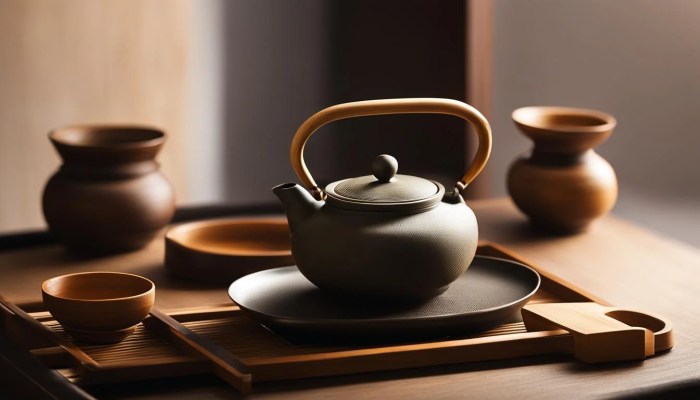
The Japanese aesthetic surrounding tea accessories, known aschado* (the way of tea), transcends mere practicality. It embodies a philosophy of mindful craftsmanship, emphasizing simplicity, elegance, and the pursuit of spiritual harmony. This aesthetic, deeply rooted in Zen Buddhism, is not just about the objects themselves, but the experience they evoke. The process of preparing and enjoying tea becomes a meditative ritual, enriching the interaction between the individual and the environment.The core principles of this aesthetic are rooted in a deep respect for nature and the appreciation of natural beauty.
This translates into the careful selection of materials, the delicate balance of forms, and the subtle color palettes found in these accessories. The pursuit of perfection in each detail is evident in the meticulous crafting and the mindful use of traditional techniques.
Core Principles
The aesthetic draws on principles of minimalism, emphasizing simplicity and elegance over ostentation. Form follows function, and each element is chosen for its inherent beauty and utility. Harmony with nature is paramount, with materials and colors reflecting the natural world. The emphasis is on the experience and ritual, not just the objects themselves.
Materials
The selection of materials is crucial in achieving the desired aesthetic. Ceramics, often hand-crafted, are a cornerstone, showcasing intricate glazes and delicate designs. Wood, in various types and finishes, is used for trays, stands, and other supporting elements, highlighting the natural beauty of the grain. Bamboo, with its natural strength and subtle beauty, is often chosen for filters, trays, and other accessories.
Metal, typically brass or bronze, is used for tea scoops and other tools, often showcasing a patina reflecting the passage of time.
Color Palettes and Patterns
Traditional color palettes often feature muted tones inspired by nature, such as earthy browns, greens, and creams. The use of black and white, particularly in monochrome pieces, adds a sense of sophistication and restraint. Patterns, when present, are often subtle and inspired by natural motifs, such as bamboo, clouds, or stylized floral designs. The use of bold colors is less common, reserved for specific, complementary accents.
Historical Context
The aesthetic of Japanese tea accessories evolved over centuries, with its roots in the Zen Buddhist tradition of meditation and contemplation. The early forms of tea ceremony, known aschado*, developed from the 15th century onward, gradually refining the rituals and associated objects. Influences from other art forms, such as painting and calligraphy, are evident in the development of the aesthetic.
The meticulous craftsmanship and the emphasis on simplicity and harmony became increasingly refined throughout the centuries, establishing a rich and enduring tradition.
Key Components and Elements
The meticulous artistry of Japanese tea ceremonies hinges on a carefully curated selection of accessories, each contributing to the overall aesthetic and ritual. These objects, often crafted with exquisite detail and imbued with symbolic meaning, reflect the profound respect for nature and the pursuit of harmony inherent in Japanese culture. From the humble teacup to the ornate tray, each component plays a crucial role in enhancing the experience of both the host and the guest.The selection and arrangement of these components create a visual symphony, emphasizing balance, symmetry, and the appreciation of simplicity.
This carefully considered aesthetic is a testament to the profound cultural significance of Japanese tea ceremonies.
Essential Components of Japanese Tea Accessories
Understanding the fundamental components of Japanese tea accessories is crucial to appreciating the nuances of the aesthetic. Each item contributes to the overall experience, whether by facilitating the ritual or by serving as a symbol of the ceremony’s core values.
| Component Name | Description | Visual Representation |
|---|---|---|
| Teapot (Chagama) | The heart of the tea ceremony, the teapot is used to brew the tea. Different types of teapots are used depending on the type of tea being prepared. These often feature intricate designs, reflecting the artisanship and cultural values. | Imagine a vessel, typically ceramic or porcelain, with a rounded or tapered body, a spout, and a handle. The shape and size vary based on the tea type and brewing method. |
| Teacups (Chawan) | Teacups, known as chawan, are meticulously crafted vessels for the tea’s consumption. They are designed for optimal sipping and are often characterized by their simple, elegant form, reflecting the aesthetic value of minimalism. | Visualize a shallow, rounded bowl with a small lip, often made from ceramic or porcelain, exhibiting a natural glaze. |
| Saucers (Chashaku) | Saucers, or chashaku, are placed beneath the teacups. Their primary role is to support the teacups and to prevent any spills during the tea ceremony. They often echo the design aesthetic of the teacups. | Picture a shallow, round dish, mirroring the size and shape of the teacup, typically made of the same material. |
| Trays and Platters (Chadan) | Trays and platters, known as chadan, are used for arranging and serving the tea accessories. They create a visual harmony, ensuring that all components are arranged meticulously to enhance the visual appeal and the overall experience. | Envision a rectangular or round surface, usually made of wood or bamboo, with a smooth finish, used to display the tea ceremony components. These trays or platters may be decorated with intricate designs or patterns. |
Comparing Teapots
Different types of teapots vary significantly in their shapes, sizes, and materials. The selection of a teapot is crucial to the entire tea ceremony experience, as it affects the tea’s brewing process and the overall aesthetic.Japanese teapots often showcase intricate craftsmanship. The shape of the teapot influences the brewing process and the final result of the tea. For example, a teapot with a wide base and a narrow neck is well-suited for brewing a large quantity of tea, whereas a teapot with a small body is suitable for preparing a small amount of tea.The material used to craft the teapot also plays a significant role in its aesthetic and functionality.
Porcelain teapots are known for their elegant appearance and durability. Ceramic teapots are prized for their earthy tones and unique textures.
Role of Teacups and Saucers
Teacups and saucers are integral to the tea ceremony aesthetic, representing the ritual’s appreciation for simplicity and mindfulness. Their design is carefully considered, enhancing the experience of drinking tea.The shape of the teacups and saucers are designed to facilitate the proper enjoyment of the tea. The shallow bowl of the teacup is ideal for allowing the aroma to be fully appreciated.
The saucer’s role is to provide stability and to prevent spills, highlighting the ceremony’s attention to detail.
Significance of Trays and Serving Platters
Trays and serving platters are essential for the arrangement and presentation of tea accessories. They establish a sense of visual harmony and balance, reflecting the careful attention to detail in the ceremony.The selection of trays and platters is crucial to the ceremony’s aesthetic. The materials and designs of the trays can vary significantly, from simple wooden trays to intricately carved lacquer trays.
Their arrangement influences the visual balance and presentation of the tea ceremony.
Design and Craftsmanship
Japanese tea accessories are more than functional objects; they are meticulously crafted works of art, reflecting a deep respect for tradition and a profound understanding of natural materials. The process of creating these items is often a testament to the dedication and skill of the artisan, showcasing a meticulous approach to design and execution. This intricate craftsmanship imbues the pieces with a timeless elegance that resonates with the essence of Japanese aesthetics.The meticulous craftsmanship of Japanese tea accessories is a cornerstone of their appeal.
Artisans employ a variety of traditional techniques, each contributing to the unique character of the final product. These techniques often involve generations of passed-down knowledge and skill, ensuring the preservation of time-honored methods.
Traditional Techniques
The creation of Japanese tea accessories often involves a combination of traditional techniques, each contributing to the unique character and beauty of the finished piece. Carving, lacquer work, and metalworking are frequently employed, demanding considerable skill and precision. For instance, the intricate carvings on a wooden tea caddy often depict traditional motifs or scenes, while lacquerware demonstrates meticulous layering and polishing techniques.
Importance of Natural Materials
Natural materials are central to the design of Japanese tea accessories, reflecting the deep connection between humanity and nature in Japanese culture. Wood, bamboo, ceramic, and metal are commonly used, each with unique properties that enhance the aesthetic qualities of the final piece. The warm hues and textures of wood, for example, create a sense of natural beauty and comfort, a key element in Japanese design principles.
The selection of the finest natural materials is paramount, emphasizing the appreciation for the inherent beauty of nature.
Reflection of Japanese Artistry
The aesthetic of Japanese tea accessories perfectly encapsulates the essence of Japanese artistry. The attention to detail, the harmonious integration of form and function, and the profound respect for natural materials all contribute to the creation of objects that transcend mere utility. This artistic approach is evident in the way each element, from the shape of a tea bowl to the grain of the wood used for the stand, is meticulously considered.
Table of Wood Types
The use of wood in Japanese tea accessories is a testament to the appreciation for its natural beauty and versatility. Different types of wood contribute distinct characteristics to the final product, each with its own grain, color, and texture.
| Wood Type | Description | Characteristics | Examples |
|---|---|---|---|
| Cherry | A light-colored wood with a delicate grain | Often used for tea bowls and trays due to its smooth surface and subtle beauty | Traditional tea bowls, trays |
| Maple | A hard wood with a distinctive grain pattern | Known for its durability and strength, often used for items that require sturdiness | Tea caddies, stands |
| Ebony | A dark, dense wood with a rich, deep tone | Highly prized for its elegant appearance, often used for finer items | Tea scoops, decorative boxes |
| Sugi (Japanese Cedar) | Known for its fragrant qualities | Used for its aromatic properties and beautiful texture | Tea trays, tea boxes |
Symbolism and Cultural Significance
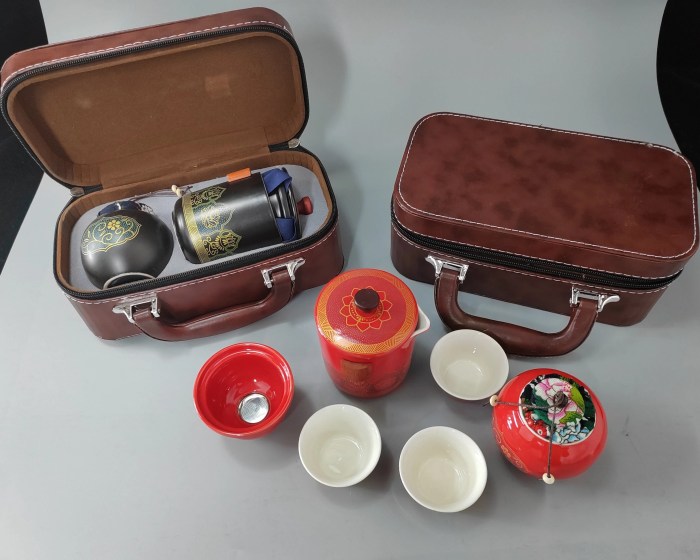
Japanese tea accessories, far from mere tools, are imbued with profound symbolic meaning. They are meticulously crafted to evoke specific emotions and concepts, reflecting the deep-seated cultural values of mindfulness, respect, and harmony inherent in the tea ceremony. These objects, from the delicate tea bowl to the elegant tea caddy, are imbued with a history of tradition and artistry, serving as potent reminders of the ceremony’s spiritual and aesthetic essence.The symbolism embedded within these accessories transcends mere aesthetics.
Shapes, patterns, and materials are chosen not just for their beauty, but for their ability to represent key philosophical concepts. The careful consideration of these elements underscores the significance placed on the experience of the tea ceremony, both for the host and the guest.
Symbolic Meanings of Shapes and Patterns
The shapes and patterns on tea accessories often mirror natural forms and spiritual ideals. A rounded tea bowl, for instance, might represent the fluidity and harmony of nature. The intricate latticework patterns found on some accessories, sometimes inspired by bamboo or flowing water, often symbolize the interconnectedness of all things. These subtle yet powerful visual cues serve to ground the tea ceremony in a broader context of spiritual and philosophical reflection.
Symbolic Meanings of Materials
The selection of materials for tea accessories is also steeped in symbolism. Ceramics, often with a distinctive glaze or color, evoke the earth’s bounty and the artistry of human hands. The polished wood used for trays and stands speaks to the natural world’s enduring beauty and the craftsman’s dedication. The delicate and translucent quality of certain types of glass can represent the ephemeral nature of life and the beauty of impermanence.
Examples of Symbolic Imagery
A common motif in tea accessories is the image of a bamboo stalk. Its resilience and ability to bend without breaking symbolize adaptability and strength in the face of life’s challenges. Images of water flowing, or stylized representations of clouds, evoke the ceaseless movement and transformation inherent in the natural world. The careful placement and design of these symbolic elements contribute to the overall ambiance of the tea ceremony, enhancing the experience’s meditative and contemplative aspects.
Role in Japanese Ceremonies and Rituals
Japanese tea accessories are integral to the tea ceremony itself. The specific arrangement and selection of accessories can convey a specific message, adding layers of meaning to the ritual. The delicate balance of these elements reinforces the concept of harmony and balance central to the practice. The meticulous attention paid to each item reinforces the idea of respect for the process and the participants.
Mindfulness and Meditation
The aesthetic of Japanese tea accessories inherently promotes mindfulness and meditation. The focus on simplicity, beauty, and the inherent symbolism encourages introspection and contemplation. The deliberate actions involved in preparing and serving tea, guided by the aesthetic, naturally cultivate a sense of presence and awareness. This conscious engagement with the process of preparing and enjoying the tea itself becomes a form of meditation, allowing participants to connect with the present moment.
Cultural Context
The aesthetic of Japanese tea accessories is deeply rooted in the cultural context of Japan. The emphasis on simplicity, natural beauty, and spiritual harmony reflects core Japanese values. The tea ceremony itself, with its rich history and intricate traditions, is a powerful expression of Japanese aesthetics and philosophy. The accessories, therefore, are not merely functional objects but cultural artifacts that encapsulate the essence of Japanese spirit and tradition.
Contemporary Interpretations
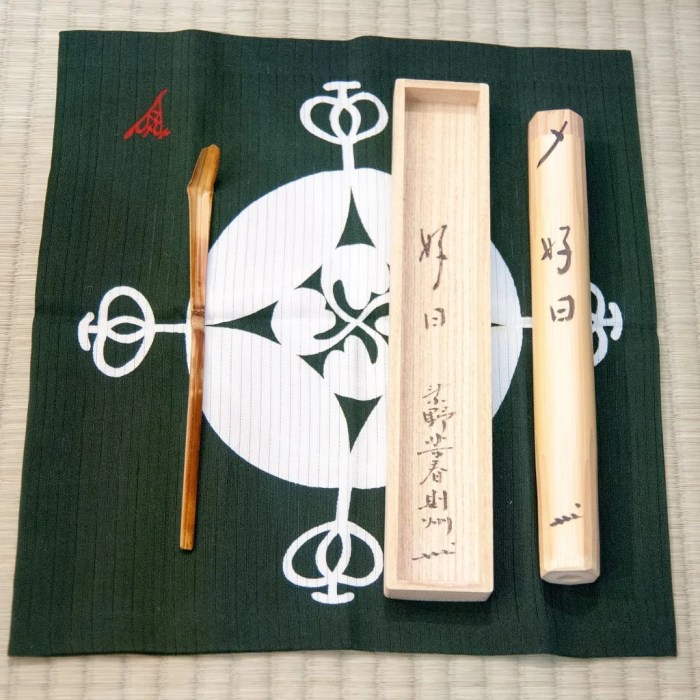
The Japanese tea ceremony, with its intricate aesthetic and deeply rooted traditions, continues to inspire modern designers. Contemporary interpretations of the aesthetic are not mere imitations but rather thoughtful adaptations that integrate traditional elements with innovative approaches, ensuring the enduring relevance of the aesthetic. This evolution reflects a deep understanding and respect for the heritage while simultaneously embracing the spirit of innovation.Modern designers are reimagining traditional forms and materials, often employing cutting-edge techniques and materials to create contemporary tea accessories that maintain the aesthetic’s essence while incorporating a modern sensibility.
This fusion of tradition and innovation creates a dynamic dialogue between past and present, preserving the core values of the aesthetic while simultaneously opening it to new interpretations and a wider audience.
Examples of Contemporary Adaptations
Contemporary designers are creatively reinterpreting traditional forms and materials, often using innovative techniques and materials. For example, some designers are using recycled or sustainable materials, such as bamboo or reclaimed wood, to craft tea accessories. Others explore new manufacturing processes like 3D printing to create unique and intricate shapes. This blending of tradition and innovation ensures the aesthetic remains fresh and appealing to contemporary audiences.
Materials and Techniques
Modern designers are increasingly incorporating sustainable materials and innovative manufacturing techniques into their creations. For example, ceramic artists are experimenting with new glazes and firing techniques, producing pieces with unique textures and colours that resonate with contemporary aesthetics. Metalworkers are incorporating recycled metals and innovative forging techniques to create strikingly modern tea sets, reflecting both tradition and innovation.
These materials and techniques contribute to the aesthetic’s contemporary appeal.
Contemporary Tea Accessories
Numerous contemporary tea accessories exemplify this fusion of tradition and innovation. Japanese ceramic artists are producing teapots and bowls with sleek, modern lines and subtly incorporated traditional patterns, while maintaining a refined aesthetic. Metal tea sets are being designed with minimalist forms and intricate, yet understated, details, paying homage to the tradition while also introducing a modern touch.
The use of recycled materials further adds to the contemporary appeal of these accessories.
Innovation and Relevance
Innovation is crucial for maintaining the aesthetic’s relevance. By integrating cutting-edge technologies and materials, designers can create contemporary tea accessories that remain visually appealing and functionally relevant to modern lifestyles. This ensures that the aesthetic’s inherent beauty and symbolism continue to resonate with a wider audience.
Table: Contemporary vs. Traditional Designs
| Feature | Traditional Design | Contemporary Interpretation |
|---|---|---|
| Materials | Natural materials like wood, bamboo, and high-quality ceramics | Sustainable materials like recycled metals, bamboo, and innovative ceramics; 3D-printed components |
| Form | Intricate, often symbolic shapes reflecting Zen principles | Sleek, minimalist forms with subtle nods to traditional aesthetics; modern, geometric shapes |
| Decoration | Traditional patterns, often with symbolic meaning | Minimalist or abstract designs; subtle use of modern patterns, potentially reflecting cultural fusion |
| Manufacturing | Handcrafted techniques passed down through generations | Combination of traditional and modern techniques, including 3D printing and advanced glazing |
Practical Application and Use
Japanese tea ceremonies, steeped in centuries of tradition, are not merely rituals; they are meticulously crafted experiences that intertwine aesthetics with profound mindfulness. The careful selection and use of tea accessories are integral to this practice, transforming the simple act of brewing and drinking tea into a profound and meditative journey. Understanding the practical application of these accessories reveals the depth and intentionality inherent in the art of Japanese tea.The practical application of Japanese tea accessories extends beyond the physical act of brewing tea.
It encompasses a deep understanding of the tools, their proper use, and the mindful etiquette that surrounds the experience. The meticulous procedures for preparing and serving tea, combined with the significance of proper etiquette and mindfulness, contribute to a holistic experience that transcends the mere consumption of a beverage. The careful selection of accessories, tailored to the specific type of tea, also plays a crucial role in optimizing the tea’s flavor and aroma.
Preparing and Serving Tea
The process of preparing and serving tea with traditional Japanese accessories follows a specific sequence. First, the appropriate utensils, including the teapot (chagama), tea caddy (chaire), and teacup (chawan), are meticulously selected based on the type of tea. Water is heated to a precise temperature, crucial for extracting the tea’s essence. The tea leaves are carefully measured and placed in the caddy, and the heated water is then poured over them.
The tea is gently stirred to release the flavors, and a small portion of the tea is served into the teacup. This process is not merely mechanical; it is a contemplative act.
Tea Ceremony Etiquette
Proper etiquette is paramount in a Japanese tea ceremony. Guests are expected to approach the tea room with reverence and respect. The precise actions involved in handling the accessories, from pouring the tea to receiving it, are deeply symbolic and contribute to the ceremony’s overall atmosphere. Mindfulness and respect are key elements, with the focus on appreciating the subtle nuances of the experience, including the aroma, the texture, and the taste of the tea.
Cleaning and Maintenance
Maintaining the quality and integrity of the tea accessories is vital. Proper cleaning ensures that the accessories retain their aesthetic appeal and functionality. The appropriate cleaning methods depend on the material of the accessories. For example, ceramic teacups may require gentle hand-washing, while bamboo accessories might benefit from specific cleaning solutions. The proper maintenance of these accessories is an integral part of the tea ceremony and ensures the utensils remain in optimal condition for future use.
Selecting Accessories for Different Tea Types
The selection of accessories should be tailored to the specific type of tea being served. Different teas require distinct accessories for optimal preparation and presentation. For example, sencha, a type of Japanese green tea, often calls for a specific type of teapot designed to maximize the delicate flavors of the tea. Similarly, matcha, a powdered green tea, demands a distinctive set of utensils, including a whisk (chasen) for whisking the tea.
Selecting the right accessories for the tea enhances the experience and allows the unique characteristics of each type to shine through.
Visual Representation and Imagery
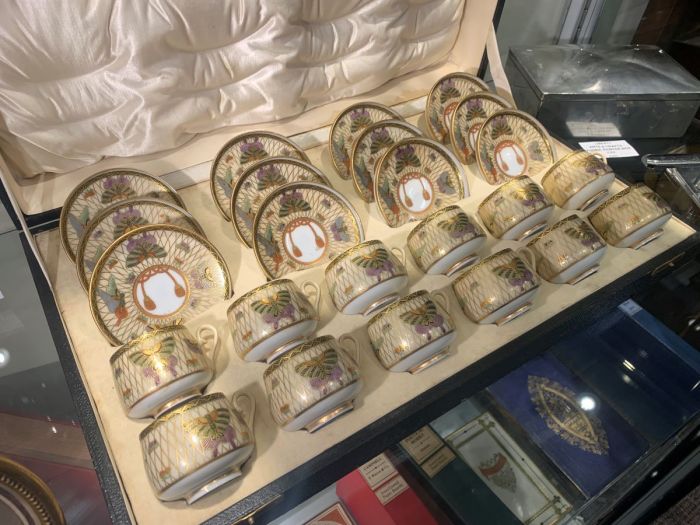
The visual aesthetic of Japanese tea accessories often evokes a sense of serene tranquility and sophisticated craftsmanship. This visual language, deeply rooted in Japanese culture, draws upon centuries of tradition and artistic expression, culminating in a harmonious blend of form, color, and texture. The imagery communicates a profound respect for nature and the pursuit of mindful living.The visual representation of Japanese tea accessories is more than just aesthetics; it’s a carefully curated narrative.
From the meticulously crafted pottery to the elegantly designed trays, each piece contributes to a holistic visual experience that transcends mere practicality. This visual language speaks volumes about the cultural values and philosophical underpinnings of the tea ceremony.
Visual Characteristics
The visual characteristics of Japanese tea accessories are deeply intertwined with the principles of wabi-sabi, emphasizing the beauty of imperfection, natural materials, and understated elegance. The overall aesthetic often features a muted palette, with colors drawing inspiration from nature – earthy tones, subtle greens, and calming blues. Intricate patterns and designs are common, but often understated, allowing the inherent beauty of the materials to shine through.
Examples of Visual Representation
A prime example of this aesthetic is a set of matcha bowls crafted from celadon-glazed stoneware. The subtle green hue of the glaze harmonizes with the natural wood of the accompanying tray, creating a tranquil visual narrative. Alternatively, a set of ceramic teacups, showcasing a subtle crackle glaze, embodies the wabi-sabi concept, highlighting the natural beauty of imperfections.
Color Palette
The color palette is crucial in conveying the aesthetic. Earthy tones, such as browns, creams, and muted greens, are prevalent, evoking a sense of connection to nature. Subtle variations within these tones contribute to the overall harmony and visual interest. Occasionally, accents of brighter colors, such as deep reds or vibrant blues, are used sparingly to create focal points without disrupting the overall serenity.
Texture and Form
Texture plays a significant role in the aesthetic appeal. The smooth, polished surfaces of fine porcelain or the rough, natural texture of wood both contribute to the overall experience. Forms are often simple and elegant, with a focus on functionality and visual balance. The curvature of a tea bowl or the straight lines of a tea caddy contribute to the harmonious flow of the aesthetic.
Lighting and Presentation
Lighting plays a critical role in enhancing the visual experience. Soft, diffused light, such as natural light filtering through a window, highlights the subtle nuances of the colors and textures. The presentation of the accessories on a meticulously arranged tray or stand further emphasizes their beauty and functionality. Careful consideration of the surrounding environment, from the backdrop to the overall ambiance, creates a truly immersive experience.
Table: Visual Components of Japanese Tea Accessories
| Image | Aesthetic Components |
|---|---|
| A set of celadon-glazed matcha bowls on a wooden tray | Earthy tones, natural materials, smooth surfaces, subtle glaze, harmony between bowl and tray. |
| A ceramic teacup with a subtle crackle glaze | Wabi-sabi aesthetic, imperfection, natural beauty, muted color palette, simple form. |
| A set of minimalist teacups and saucers in a muted gray-blue tone | Subtle color palette, harmony, simple form, emphasis on functionality. |
| A lacquered tea caddy with intricate wood carving | Intricate detail, natural material, refined craftsmanship, emphasis on the beauty of the material. |
Material Exploration
Japanese tea accessories, imbued with centuries of tradition, showcase a profound connection to the materials from which they are crafted. The selection of materials isn’t arbitrary; each choice reflects a delicate balance between aesthetic beauty, functional practicality, and the cultural significance embedded within the craft. From the smooth, polished surfaces of lacquered wood to the subtle nuances of bamboo, the materials used in these accessories speak volumes about the artistry and philosophy of Japanese tea culture.The meticulous selection of materials in Japanese tea accessories is a testament to the artisans’ dedication to quality and their deep understanding of the interplay between form and function.
The textures, colors, and origins of each material contribute to the overall aesthetic and evoke a sense of tranquility and reverence, mirroring the principles of Zen. Sustainability and ethical sourcing are paramount, reflecting a respect for the environment and the craft’s heritage. This commitment extends to historical pieces, showcasing a connection to past generations and their appreciation for quality materials.
Regional variations further emphasize the diversity within Japanese craftsmanship, highlighting the distinctive character of the country’s different areas.
Characteristics of Various Materials
The choice of materials for Japanese tea accessories reflects a deep understanding of their properties. The unique characteristics of each material—texture, color, and origin—play a significant role in the aesthetic appeal and functional capabilities of the final product. Materials like bamboo, renowned for its lightweight nature, contribute to the portability of accessories, while lacquer’s ability to create intricate patterns enhances the aesthetic beauty of the finished piece.
These qualities are carefully considered and balanced to create harmony in both the design and the user experience.
Examples of Unique Material Qualities
- Bamboo: Known for its natural strength and flexibility, bamboo is a sustainable choice. Its unique striations and subtle variations in color lend themselves to a variety of artistic interpretations. Its light weight makes it ideal for everyday use, contributing to the tea ceremony’s emphasis on ease and simplicity.
- Lacquer: The deep, lustrous finish of lacquer, achieved through meticulous application and polishing, is a hallmark of traditional Japanese craftsmanship. Its ability to create a hard, protective layer allows for intricate carving and inlay work, adding depth and visual interest to the accessories. The rich, varied colors available through lacquer techniques add to its visual appeal.
- Wood: Various types of wood, such as cherry, maple, and elm, are often used for their beautiful grain patterns and subtle colors. The weight and texture of the wood enhance the tactile experience, allowing users to connect with the natural world through the materials used.
Importance of Sustainability and Ethical Sourcing
Sustainability and ethical sourcing are deeply ingrained in Japanese craftsmanship, reflecting a respect for the environment and the materials’ origins. Artisans often select locally sourced materials, minimizing transportation impacts and supporting local economies. The emphasis on longevity and durability further promotes sustainable practices, reducing waste and maximizing the lifespan of each piece. This approach is essential to maintaining the integrity and cultural heritage of Japanese tea accessories.
Historical Materials
Historically, materials like various types of wood, metal (such as bronze or iron), and intricately patterned textiles were favored. These choices reflect the availability of resources and the prevailing aesthetic sensibilities of the time. The materials used in historical pieces often showcase a blend of functionality and artistry, reflecting the unique characteristics of their era.
Regional Variations in Materials
| Region | Common Materials | Characteristics |
|---|---|---|
| Kyoto | Lacquer, bamboo, cherry wood | Known for its intricate designs and emphasis on high-quality materials. |
| Tohoku | Maple, elm, bronze | Demonstrates a regional focus on readily available materials and their unique characteristics. |
| Shikoku | Pine, cedar, ceramics | Shows the use of materials prevalent in the local environment, often with a focus on simplicity and practicality. |
The use of materials varies across different regions of Japan, reflecting the availability of resources and the distinct aesthetic sensibilities of each area. Regional variations in materials contribute to the rich tapestry of Japanese tea culture, highlighting the diverse craftsmanship traditions across the country.
Inspiration and Influence
The Japanese tea ceremony’s aesthetic, with its emphasis on minimalism, craftsmanship, and profound symbolism, has transcended its cultural origins, profoundly impacting various design disciplines worldwide. This influence extends beyond simple visual cues, incorporating underlying principles of harmony, balance, and spiritual contemplation into contemporary design. From product design to architecture, the elegant simplicity of Japanese tea accessories continues to inspire innovative solutions and a renewed appreciation for thoughtful aesthetics.The enduring appeal of the Japanese tea accessories aesthetic lies in its ability to seamlessly blend practical functionality with profound cultural significance.
This aesthetic resonates with designers and artists across the globe because of its inherent beauty, refined detailing, and philosophical underpinnings. The core principles of this aesthetic, including the pursuit of perfection, the respect for materials, and the emphasis on mindful creation, have demonstrably influenced artistic expressions across diverse fields.
Influence on Other Design Disciplines
The meticulous craftsmanship and attention to detail in Japanese tea accessories have had a substantial impact on product design, particularly in the creation of functional yet aesthetically pleasing objects. The understated elegance and emphasis on natural materials have influenced the development of minimalist design principles, inspiring designers to create objects that are both beautiful and practical.
Examples of Inspired Designers and Artists
Numerous designers and artists have drawn inspiration from the Japanese tea ceremony aesthetic. For instance, renowned industrial designer Dieter Rams, known for his minimalist approach to product design, frequently cites Japanese design principles as a major influence. His focus on functionality, form, and materials echoes the core values of Japanese aesthetics. Similarly, contemporary ceramic artists frequently incorporate elements of Japanese aesthetics, emphasizing the beauty of natural forms and the importance of meticulous craftsmanship.
Comparison with Other Cultural Influences
| Aesthetic | Key Elements | Comparison to Japanese Tea Aesthetics |
|---|---|---|
| Japanese Tea Ceremony | Minimalism, natural materials, craftsmanship, symbolism | Direct inspiration, focus on function and beauty |
| Scandinavian Design | Clean lines, simplicity, natural materials | Shared emphasis on minimalism, but with a slightly different focus on utility |
| Modernist Architecture | Functionalism, geometric forms, use of concrete | Influence on material selection and minimalist design principles, but less emphasis on symbolism |
| Chinese Tea Culture | Emphasis on ritual, symbolism, use of porcelain | Shared appreciation for craftsmanship and symbolism, but distinct approaches to form and function |
The table illustrates how the Japanese tea aesthetic intersects with and diverges from other cultural and historical influences. The shared appreciation for natural materials and refined craftsmanship is evident, while the emphasis on symbolism and spiritual contemplation distinguishes the Japanese tea aesthetic.
Key Elements of Influential Aesthetics
The key elements that make the Japanese tea aesthetic so influential include its emphasis on:
- Simplicity and Minimalism: The aesthetic prioritizes essential forms and functions, rejecting superfluous details. This focus on simplicity appeals to a broad audience.
- Craftsmanship and Attention to Detail: The dedication to meticulous craftsmanship in creating each piece underscores the value of hand-crafted work, influencing designers to create objects that reflect care and attention.
- Natural Materials and Forms: The use of natural materials and the integration of natural forms within designs are significant features, drawing inspiration from nature and creating a sense of harmony.
- Symbolism and Cultural Significance: The intricate symbolism associated with Japanese tea accessories adds a layer of depth and meaning, captivating those seeking a connection to a rich cultural heritage.
These core elements contribute to the enduring impact of the Japanese tea aesthetic across diverse fields, making it a powerful source of inspiration for contemporary designers and artists.
Last Recap
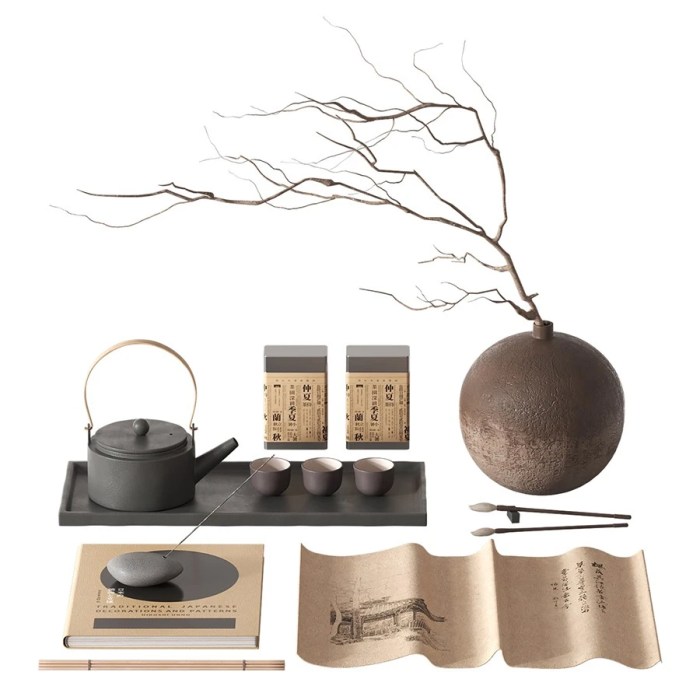
In conclusion, the Japanese tea accessories aesthetic is more than just a collection of objects; it’s a journey into a rich cultural heritage. The meticulous craftsmanship, profound symbolism, and enduring appeal of these accessories continue to inspire and captivate. This aesthetic seamlessly blends practicality with profound meaning, creating a powerful connection to tradition and artistry that resonates even today.
