
In the high-stakes world of the operating room, where precision and efficiency are paramount, the surgical technologist stands as a linchpin of the surgical team. Their responsibilities extend far beyond simply handing instruments; they are meticulous professionals who ensure the sterile environment, prepare the surgical field, and anticipate the surgeon’s every need. This is a role demanding a unique blend of technical skill, unwavering focus, and the ability to thrive under pressure, all in the name of patient safety and successful outcomes.
This article delves into the multifaceted role of a surgical tech, exploring their preparation for surgery, interactions with the surgical team, understanding of surgical procedures, protocols for maintaining sterility, and the physical and mental demands of the job. From sterilizing equipment to anticipating the surgeon’s next move, the surgical technologist is a crucial member of the healthcare team, ensuring the smooth execution of surgical procedures. They must possess a deep understanding of surgical procedures, instruments, and sterile techniques to excel in this critical role. The profession is a demanding but rewarding one, requiring constant learning and adaptation in a fast-paced environment.
A Surgical Technologist’s primary responsibilities involve preparing the operating room for surgical procedures, ensuring a sterile environment, and assisting the surgical team throughout the operation.
Surgical technologists, often referred to as surgical techs or scrub techs, are indispensable members of the surgical team. Their expertise in sterile technique and surgical procedures ensures patient safety and contributes to the efficiency of the operating room. They work under the supervision of surgeons, registered nurses, and other surgical personnel. The role demands meticulous attention to detail, strong organizational skills, and the ability to anticipate the needs of the surgical team.
Pre-Surgery Preparations
The preparation phase before a surgical procedure is critical for its success. Surgical technologists play a central role in this process, ensuring that the operating room is ready for the arrival of the patient and the surgical team. This involves a series of standardized tasks, all designed to create a safe and efficient environment.
The operating room setup begins with the meticulous cleaning and disinfection of all surfaces, including the operating table, instrument tables, and any other equipment within the room. This process is crucial in reducing the risk of surgical site infections. Once the room is cleaned, the surgical technologist organizes the sterile field, arranging instruments, supplies, and equipment in a way that is easily accessible to the surgical team. This includes:
- Equipment Sterilization: Sterilization is a fundamental aspect of the surgical technologist’s responsibilities. This process eliminates all forms of microbial life, including bacteria, viruses, and spores, from surgical instruments and equipment. Instruments are sterilized using various methods, including autoclaving (steam sterilization), chemical sterilization, and gas sterilization. The choice of sterilization method depends on the type of instrument and its material composition. The surgical technologist must understand the principles of each sterilization method, including temperature, pressure, and time requirements. They also monitor sterilization cycles using biological and chemical indicators to ensure that the process is effective.
- Room Setup: The operating room setup is a complex process that involves arranging the surgical field, positioning equipment, and preparing the necessary supplies. The surgical technologist collaborates with the surgical team to determine the specific needs of the procedure. This includes selecting and arranging instruments, sutures, dressings, and other supplies. The surgical technologist also ensures that the operating room equipment, such as the suction unit, electrosurgical unit (Bovie), and monitoring equipment, is properly functioning.
- Supply Organization: Surgical technologists organize sterile supplies and instruments on the sterile field. This requires a thorough understanding of surgical procedures and the instruments and supplies needed for each procedure. Supplies are organized in a logical and accessible manner to facilitate efficient workflow during surgery.
Maintaining the Sterile Field
Maintaining a sterile field is paramount in preventing surgical site infections. The surgical technologist is the primary guardian of the sterile field, and they are responsible for adhering to strict aseptic techniques throughout the procedure. This involves a comprehensive understanding of sterile principles and how to prevent contamination.
The sterile field is a designated area that is free of all microorganisms. This area includes the sterile drapes, the surgical instruments, and the surgical team’s sterile gowns and gloves. The surgical technologist establishes the sterile field by draping the patient and setting up the instrument table. Once the sterile field is established, the surgical technologist must maintain its integrity.
The surgical technologist follows these critical principles to maintain sterility:
- Sterile-to-Sterile Contact: Only sterile items can come into contact with other sterile items. Non-sterile items cannot come into contact with sterile items or the sterile field.
- Sterile Field Monitoring: The surgical technologist constantly monitors the sterile field, ensuring that it remains free from contamination. This includes observing the actions of the surgical team and taking corrective action if any breaches of sterile technique occur.
- Preventing Contamination: The surgical technologist takes proactive steps to prevent contamination of the sterile field. This includes wearing sterile attire, handling sterile items carefully, and maintaining a safe distance from non-sterile areas. The surgical technologist must immediately address any observed breaches of sterile technique.
The surgical technologist communicates with the surgical team to ensure the sterile field is maintained throughout the procedure. This includes verbal communication, such as notifying the team if a sterile item is contaminated, and nonverbal communication, such as using hand signals to indicate the need for a new instrument.
The surgical technologist is also responsible for promptly correcting any breaks in sterile technique.
Specialized Surgical Equipment Preparation
Different surgical procedures require specialized equipment, and the surgical technologist must be proficient in preparing this equipment for use. This involves understanding the equipment’s function, its sterilization requirements, and its proper setup. Here are three examples:
- Laparoscopic Instruments: Laparoscopic surgery involves making small incisions and using specialized instruments to perform surgical procedures. The surgical technologist prepares the laparoscopic instruments, including the laparoscope, trocars, and grasping instruments, by inspecting them for damage and sterilizing them. For instance, the laparoscope’s lens must be carefully cleaned to ensure clear visualization during the procedure. The surgical technologist then sets up the laparoscopic tower, connecting the instruments to the appropriate ports and ensuring that the equipment is functioning correctly. This often involves ensuring the camera system is correctly calibrated and the insufflator is set to the proper pressure to inflate the abdomen with carbon dioxide.
- Powered Surgical Instruments: Powered surgical instruments, such as drills and saws, are used in orthopedic and neurosurgical procedures. The surgical technologist prepares these instruments by inspecting them for functionality and sterilizing them according to the manufacturer’s instructions. This might involve assembling the instrument, attaching the appropriate attachments (e.g., saw blades, drill bits), and testing the instrument to ensure it is operating correctly. The surgical technologist must also be familiar with the various power sources, such as electric or pneumatic, and ensure that the instrument is connected correctly and ready for use.
- Microscopes: Microscopes are essential for microsurgical procedures, such as neurosurgery and ophthalmology. The surgical technologist prepares the microscope by cleaning the lenses, ensuring that the light source is functioning, and positioning the microscope for optimal visualization. The surgical technologist also assists the surgeon in focusing the microscope and adjusting the magnification during the procedure. This involves understanding the microscope’s controls and being able to make adjustments as requested by the surgeon.
Surgical Technologists work closely with surgeons, nurses, and other healthcare professionals to ensure the smooth execution of surgical procedures, requiring excellent communication and teamwork skills.
Surgical technologists are indispensable members of the operating room (OR) team, their expertise crucial for the seamless flow and safety of surgical interventions. Their ability to effectively communicate and collaborate is paramount, directly influencing patient outcomes. They serve as a vital link between the surgeon, the nursing staff, and other support personnel, facilitating a coordinated approach to patient care.
Interactions within the Surgical Team
The interactions between a surgical technologist and the surgical team are multifaceted, encompassing both verbal and non-verbal communication. These interactions are constant and dynamic, evolving throughout the surgical procedure. The technologist must be adept at interpreting the surgeon’s needs, anticipating requests, and responding quickly and accurately.
Verbal communication is a cornerstone of the operating room environment. The surgical technologist must be able to clearly and concisely convey information, such as instrument requests, sponge counts, and any observed changes in the patient’s condition. For instance, the technologist might say, “Scalpel ready,” to confirm instrument availability or “Sponge count correct, ten by ten” to confirm the count of surgical sponges. This also involves responding to direct instructions from the surgeon, such as, “Give me a clamp” or “Suction, please.” They may also communicate with the circulating nurse regarding the availability of supplies or equipment. In addition, it’s vital to communicate any potential issues or concerns immediately, for example, “The cautery isn’t working.”
Non-verbal communication is equally critical. The surgical technologist must be attentive to the surgeon’s body language, anticipating needs based on gestures and expressions. A raised hand might indicate a need for a specific instrument, while a frown might suggest a problem that needs immediate attention. The technologist also uses visual cues, such as positioning instruments on the sterile field for easy access and ensuring the surgical site is well-lit. Furthermore, the positioning of the technologist relative to the surgical field and other team members is important to ensure efficient access to the instruments and to prevent obstruction of the surgical field.
Teamwork and Efficiency
Teamwork is not just a desirable trait in the operating room; it’s a necessity. The surgical technologist’s contributions are fundamental to fostering this team environment. They contribute to the efficiency of the procedure, ensuring all necessary instruments and supplies are readily available.
The technologist’s proactive approach, anticipating the surgeon’s needs, minimizes delays and keeps the procedure moving smoothly. By efficiently organizing the sterile field, the technologist allows the surgeon to focus on the surgical task at hand. The technologist is also responsible for maintaining a sterile field, preventing contamination, and reducing the risk of surgical site infections. Their role in instrument and sponge counts, before, during, and after the procedure, helps to prevent retained surgical items, a significant patient safety concern. They are, in essence, the conductor of the orchestra of the operating room.
Critical Communication Scenarios
Clear and concise communication from the surgical technologist is critical in several scenarios, directly impacting the safety and success of a surgical procedure.
- Instrument Request: When a surgeon requests a specific instrument, the surgical technologist must provide the correct instrument immediately and without hesitation. Misidentification or delay can cause inefficiencies and compromise patient safety.
- Sponge Count Discrepancy: If a sponge count is incorrect, the technologist must immediately inform the surgical team, and the procedure should pause until the discrepancy is resolved. This prevents retained surgical items.
- Equipment Malfunction: If any equipment malfunctions, such as the cautery unit, suction, or lights, the technologist must promptly notify the surgeon and circulating nurse to ensure alternative solutions are available and minimize interruption.
- Changes in Patient Condition: Any observed changes in the patient’s condition, such as excessive bleeding or a sudden drop in vital signs, must be communicated immediately to the surgical team. This is a crucial step in a timely intervention.
- Medication Alert: When medications are administered on the sterile field, the technologist must be vigilant in verifying the correct medication, dosage, and expiration date before handing it to the surgeon or nurse. This avoids medication errors.
Surgical Technologists possess a deep understanding of surgical procedures and instrumentation, anticipating the surgeon’s needs and providing the necessary tools and supplies at the appropriate time.
Surgical Technologists are integral members of the surgical team, their expertise extending far beyond the mere passing of instruments. They are meticulously trained professionals who develop a profound understanding of surgical procedures, allowing them to anticipate the surgeon’s requirements and facilitate a seamless operation. This understanding is crucial for the efficiency, safety, and ultimately, the success of the surgical intervention. The ability to anticipate the surgeon’s needs is a cornerstone of their role, transforming them from assistants into essential partners in the operating room.
Understanding Surgical Procedures and Instrumentation
The acquisition of knowledge about surgical procedures and instrumentation is a multifaceted process for Surgical Technologists, encompassing both theoretical instruction and practical application. They begin with a comprehensive understanding of surgical anatomy, physiology, and pathology, laying the foundation for grasping the nuances of various surgical interventions.
Surgical procedure manuals are essential resources, meticulously detailing each step of a specific operation. These manuals often include illustrations, diagrams, and checklists, providing a visual and systematic guide to the procedure. They Artikel the necessary instrumentation, supplies, and equipment required at each stage, enabling the Surgical Technologist to anticipate the surgeon’s needs proactively. These manuals serve as a constant reference, guiding the technologist through the complexities of each surgery.
Beyond manuals, Surgical Technologists often utilize online resources, surgical videos, and simulations to enhance their understanding. Surgical videos provide a dynamic view of the procedure, allowing technologists to observe the actions of experienced surgeons and learn the correct techniques. Simulations offer a safe environment to practice instrument handling and surgical techniques, improving their proficiency and confidence. These resources complement the hands-on training received during clinical rotations, where Surgical Technologists work under the supervision of experienced professionals.
Additionally, they develop a detailed understanding of the instruments themselves, including their names, functions, and proper handling techniques. This knowledge is acquired through textbooks, instrument identification exercises, and direct observation during surgical procedures. The Surgical Technologist must be able to quickly identify the appropriate instrument and present it to the surgeon in a manner that is efficient and safe. This level of proficiency is achieved through rigorous training and continuous learning, as they strive to master the intricacies of each surgical specialty.
Common Instruments by Surgical Specialty
The instruments used in surgery vary significantly depending on the specialty. Surgical Technologists must be familiar with the instruments used in various procedures, ensuring that the appropriate tools are readily available.
| Surgical Specialty | Common Instruments | Primary Function |
|---|---|---|
| Orthopedic Surgery | Bone cutters, retractors (e.g., Hohmann retractor), drills, screws, plates, and orthopedic implants. | Cutting and shaping bone, retracting tissues, drilling holes, securing implants, and facilitating joint reconstruction or fracture repair. |
| Cardiac Surgery | Surgical scissors, needle holders, hemostats (e.g., Kelly clamps), retractors, sternal saws, and vascular clamps. | Dissecting tissues, suturing, controlling bleeding, retracting tissues, opening the sternum, and clamping blood vessels. |
| General Surgery | Scalpels, surgical scissors, needle holders, hemostats (e.g., hemostatic forceps), retractors (e.g., Richardson retractors), and various graspers. | Making incisions, dissecting tissues, suturing, controlling bleeding, retracting tissues, and grasping tissues. |
| Neuro Surgery | Craniectomy instruments, scalpels, surgical scissors, needle holders, hemostats, retractors, and specialized brain instruments. | Opening the skull, dissecting tissues, suturing, controlling bleeding, retracting tissues, and performing specialized procedures within the brain. |
| Urology | Scissors, needle holders, hemostats, retractors, catheters, scopes, and specialized urological instruments. | Dissecting tissues, suturing, controlling bleeding, retracting tissues, draining fluids, and performing procedures related to the urinary tract and reproductive system. |
Anticipating the Surgeon’s Needs
Anticipating the surgeon’s needs is a crucial skill for Surgical Technologists. It requires a thorough understanding of the surgical procedure and the ability to think ahead. During a common procedure, such as an appendectomy, the Surgical Technologist demonstrates this skill throughout the operation.
Initially, they prepare the instrument table with the necessary instruments, including a scalpel, scissors, hemostats, retractors, and various clamps. As the surgeon makes the incision, the Surgical Technologist anticipates the need for additional hemostats to control bleeding. They promptly provide the appropriate clamps, such as Kelly clamps or hemostatic forceps, to the surgeon.
As the dissection progresses, the Surgical Technologist anticipates the need for specific instruments, such as a right-angle clamp for ligating the appendix. They will ensure the instrument is readily available and presented in a manner that facilitates the surgeon’s work. They also anticipate the need for sutures, ligatures, and sponges.
When the surgeon is ready to remove the appendix, the Surgical Technologist will ensure that the appropriate instruments for the task are available. The surgical technologist must be ready with the instrument that is required. For example, when the surgeon is preparing to cut the appendix, they have a set of the necessary instruments, such as the scalpel or surgical scissors, and they will be ready to pass them when requested.
By anticipating these needs, the Surgical Technologist contributes to the efficiency and safety of the surgical procedure. Their proactive approach minimizes delays and ensures that the surgeon has the tools and supplies necessary to perform the operation effectively.
Maintaining a sterile field is paramount for Surgical Technologists, requiring strict adherence to protocols and continuous monitoring to prevent surgical site infections and ensure patient safety.
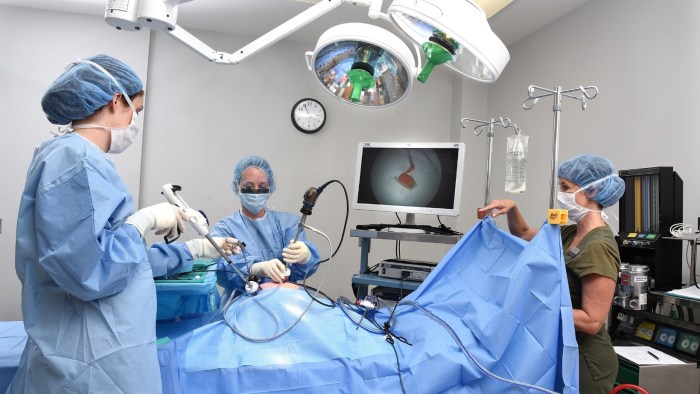
The surgical environment demands an unwavering commitment to asepsis. Surgical technologists are the frontline defenders against infection, employing meticulous techniques to create and maintain a sterile field, a pathogen-free area around the surgical site. This proactive approach minimizes the risk of surgical site infections (SSIs), which can lead to prolonged hospital stays, increased healthcare costs, and, in severe cases, life-threatening complications for patients.
Protocols for Maintaining a Sterile Field
Maintaining a sterile field involves a multifaceted approach, requiring strict adherence to established protocols and constant vigilance. These protocols encompass the use of personal protective equipment (PPE), proper sterilization techniques, and meticulous attention to detail throughout the surgical procedure.
- Personal Protective Equipment (PPE): Surgical technologists must don appropriate PPE before entering the sterile field. This typically includes:
- A surgical scrub performed using an antimicrobial soap and sterile water.
- A surgical mask, covering both the nose and mouth, to prevent the release of respiratory droplets.
- Sterile gloves, donned using a closed gloving technique to avoid contamination.
- A sterile surgical gown, providing a barrier against fluid penetration and contamination.
- Eye protection, such as goggles or a face shield, to shield against splashes of blood or other bodily fluids.
- Sterile Field Preparation: Before the procedure begins, the surgical technologist prepares the sterile field, which includes:
- Opening sterile supplies, such as drapes, instruments, and sutures, maintaining the sterility of each item.
- Draping the patient to create a sterile barrier around the surgical site.
- Organizing the instrument table and arranging instruments in an organized and accessible manner.
- Maintaining Sterility During the Procedure: Throughout the surgical procedure, the surgical technologist continuously monitors the sterile field and adheres to strict principles of asepsis:
- Sterile items are only handled by sterile team members.
- Non-sterile team members must maintain a safe distance from the sterile field.
- Sterile drapes and supplies must be kept dry; any dampness is considered a breach of sterility.
- Movement within the sterile field is minimized to prevent contamination.
Sterilization Methods: A Comparison
Surgical technologists utilize various methods to sterilize surgical instruments, each with its own advantages and disadvantages. Two common methods include steam sterilization (autoclaving) and ethylene oxide (EtO) sterilization.
- Steam Sterilization (Autoclaving): Steam sterilization involves exposing instruments to high-pressure steam at a specific temperature for a defined period.
- Advantages: Steam sterilization is a widely used, effective, and relatively inexpensive method. It is suitable for a broad range of surgical instruments and materials, and it is a fast process, allowing for rapid turnaround of instruments.
- Disadvantages: Not all instruments can withstand steam sterilization. Heat-sensitive items, such as some plastics and delicate electronics, may be damaged by the high temperatures.
- Ethylene Oxide (EtO) Sterilization: EtO sterilization uses a gaseous chemical agent to sterilize instruments.
- Advantages: EtO sterilization is effective for heat-sensitive items that cannot be sterilized using steam. It can penetrate complex instruments and packaging.
- Disadvantages: EtO sterilization is a slower process compared to steam sterilization, requiring longer cycle times. It also involves potential health hazards associated with exposure to EtO gas, requiring specialized equipment and safety protocols. Furthermore, EtO leaves a residue on instruments, requiring a lengthy aeration process.
Responding to Breaches in Sterile Technique
When a breach in sterile technique occurs, the surgical technologist must take immediate action to rectify the situation and prevent potential contamination. Here are some examples:
Example 1: If a surgical technologist accidentally touches a non-sterile object with a sterile glove, the glove must be changed immediately. The surgical technologist should remove the contaminated glove, perform hand hygiene, and don a new sterile glove using a closed gloving technique.
Example 2: If a sterile instrument falls off the sterile field, it is considered contaminated. The surgical technologist must inform the surgical team, remove the contaminated instrument from the sterile field, and replace it with a new, sterile instrument. The surgical team should also evaluate if any further actions are needed.
Example 3: If a sterile drape becomes wet, it is no longer considered sterile. The surgical technologist must notify the surgical team, and the wet drape must be replaced with a new, sterile drape to maintain the sterile barrier. The source of the moisture must be identified and addressed to prevent further contamination.
The career of a Surgical Technologist demands a high level of physical stamina and the ability to work under pressure, requiring long hours standing and the ability to respond quickly to unexpected situations.
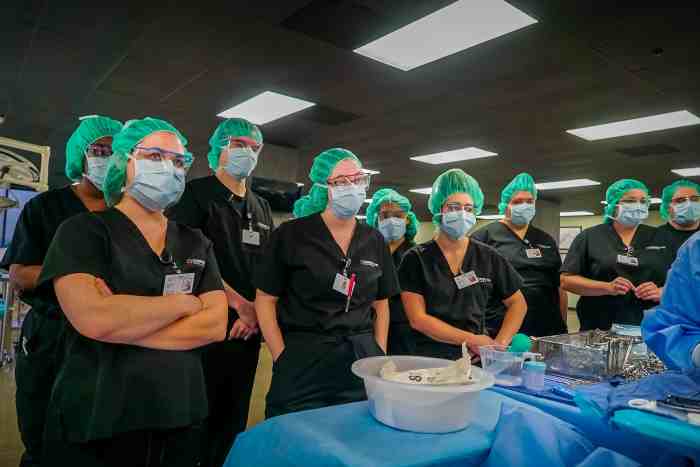
The role of a Surgical Technologist is undeniably physically and mentally taxing. The operating room, a high-stakes environment, demands peak performance from these professionals. They must be prepared to endure long hours, maintain unwavering focus, and react swiftly to any unforeseen challenges that arise during surgical procedures. The demands on their physical and mental resilience are considerable, making it crucial for Surgical Technologists to develop effective coping strategies and prioritize their well-being.
Physical Demands and Work Environment
The work environment of a Surgical Technologist is primarily the operating room (OR). This sterile environment, meticulously maintained to prevent infection, is often cold, brightly lit, and can be physically demanding. Surgical Technologists typically spend the majority of their shifts on their feet, often for extended periods, sometimes exceeding twelve hours. They are constantly moving, reaching for instruments, assisting the surgical team, and ensuring the sterile field remains intact. The physical exertion includes lifting and positioning patients, handling heavy equipment, and maintaining precise movements throughout the procedure. They must also be able to adapt to various surgical positions and navigate the confined space of the OR.
To manage these physical challenges, Surgical Technologists employ several strategies. Regular physical exercise, such as cardiovascular workouts and strength training, helps build stamina and endurance. Proper posture and body mechanics are crucial to prevent back pain and other musculoskeletal issues. Taking short breaks during procedures, when possible, to stretch and rest can also alleviate fatigue. Furthermore, Surgical Technologists often utilize ergonomic equipment and techniques to minimize strain, such as adjustable tables and instrument trays. Hydration and proper nutrition are essential to maintain energy levels throughout the day. Finally, a strong support system, including colleagues and mentors, can provide emotional support and guidance in managing the physical and mental demands of the profession.
Strategies for Managing Stress and Maintaining Focus
The operating room can be a high-stress environment. Surgical Technologists must develop coping mechanisms to maintain focus and composure. Here are five strategies they can employ:
- Deep Breathing Exercises: Practicing deep, controlled breathing can help regulate the nervous system, reducing anxiety and promoting a sense of calm. This can be done before, during, or after a procedure.
- Mental Visualization: Visualizing the successful completion of a procedure, including anticipating potential challenges and planning responses, can boost confidence and reduce stress.
- Positive Self-Talk: Replacing negative thoughts with positive affirmations can improve self-esteem and resilience. This can be particularly helpful during demanding situations. For example, instead of thinking “I can’t handle this,” a Surgical Technologist might tell themselves, “I am prepared, and I can manage this.”
- Mindfulness and Meditation: Practicing mindfulness or meditation techniques can help focus attention on the present moment, reducing distractions and promoting a sense of calm. Even a few minutes of mindfulness can be beneficial.
- Effective Communication: Clear and concise communication with the surgical team is crucial. Seeking clarification when needed and actively listening to instructions can minimize errors and reduce stress.
Responding to Unexpected Complications
Unexpected complications are inevitable in surgery. A Surgical Technologist’s ability to remain calm and respond quickly is paramount.
Consider a scenario during a routine appendectomy. The surgeon discovers a tear in the patient’s bowel. This complication requires immediate action to prevent infection and further complications. The Surgical Technologist, upon observing the surgeon’s change in demeanor and the increased urgency in their voice, immediately anticipates the need for additional supplies. They quickly and calmly:
- Provide additional suction and irrigation: To control bleeding and clear the surgical field.
- Anticipate the need for specialized instruments: Such as bowel clamps and suture materials, and have them readily available.
- Maintain a sterile field: Ensuring no contamination occurs.
- Assist the surgeon: By handing instruments and supplies efficiently and responding to the surgeon’s verbal and non-verbal cues.
- Communicate effectively: With the circulating nurse to request any additional items and ensure all necessary supplies are readily available.
Remaining calm in such a situation is critical. The Surgical Technologist’s composure helps maintain a stable environment, allowing the surgical team to focus on the patient’s care. Their quick thinking and efficient actions directly contribute to a positive outcome. This example highlights the importance of preparedness, adaptability, and composure in the face of unexpected surgical complications.
Epilogue
The surgical technologist’s dedication to patient safety and surgical success is undeniable. Their meticulous preparation, effective communication, and unwavering focus are essential for the smooth operation of any surgical procedure. From the initial setup to the final closure, they are constantly vigilant, ensuring a sterile environment and anticipating the needs of the surgical team. The career demands physical and mental endurance, making it a challenging but rewarding path for those committed to healthcare. The role of a surgical tech underscores the importance of teamwork, precision, and unwavering commitment to excellence within the operating room, making them indispensable members of the surgical team.
